
Originally published December 13, 2016. Updated September 11, 2026.
Your baby’s first tooth is a milestone, and it often arrives with drooling, fussiness, and some sleepless nights. Teething is normal, but many parents are unsure how to soothe it safely and when to start caring for those tiny teeth. Baby teeth matter: they hold space for permanent teeth, and they can develop cavities as soon as they appear. This guide covers when teething begins, its symptoms, safe ways to relieve discomfort, what to avoid, and how to care for baby teeth from the start.
When does teething start?
According to the American Dental Association (ADA), babies are born with all 20 primary teeth beneath their gums. The teeth usually start to come through between 6 and 12 months, and the full set is typically in by age 3. Every child is different, and a few months earlier or later is normal.
What are the symptoms of teething?
The ADA lists fussiness, trouble sleeping, irritability, loss of appetite, and increased drooling as typical signs. Some babies chew on everything within reach. The ADA is also clear about what teething does not cause: fever, diarrhea, and rash are not normal teething symptoms, and if your baby has them you should contact your pediatrician.
How can you soothe teething pain safely?
- Rub the gums. Use a clean finger, a small cool spoon, or a moist gauze pad.
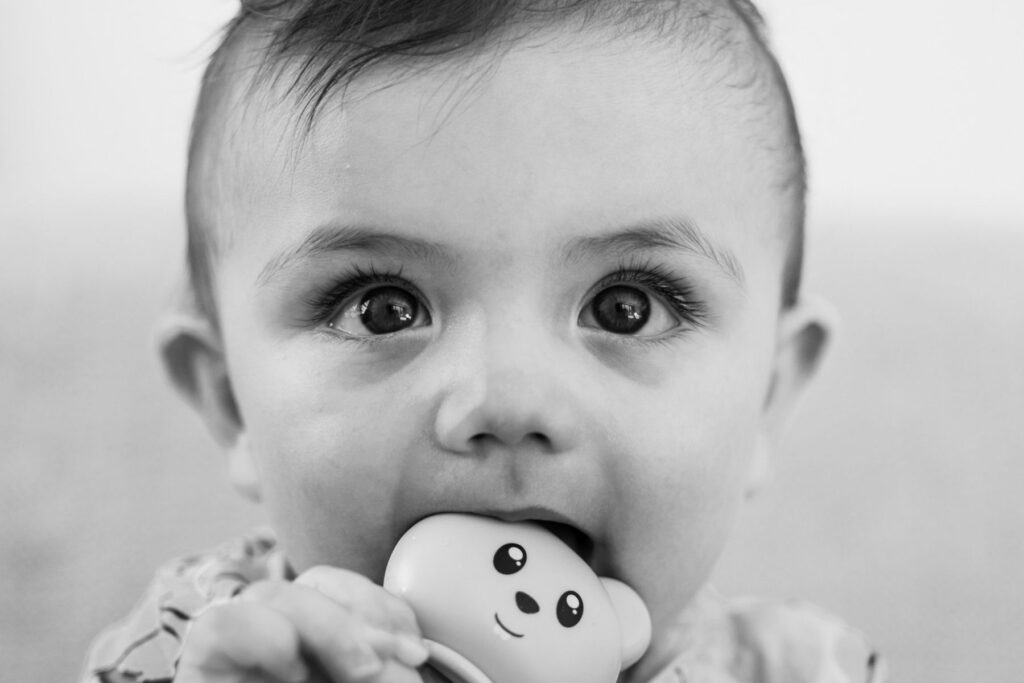
- Offer a solid rubber teether and supervise closely. The FDA suggests a firm rubber ring rather than one that is frozen.
- Wipe away drool to keep skin from getting irritated.
What should you avoid during teething?
Some popular products are unsafe. The ADA and the FDA advise against:
- Teething necklaces and bracelets, which carry choking and strangulation risks.
- Gels and products containing benzocaine or lidocaine. The FDA warns of a serious blood condition called methemoglobinemia and says benzocaine products should not be used for teething in children younger than 2.
- Homeopathic teething tablets and gels, which the FDA has warned may harm children.
If you have questions about relieving your child’s teething symptoms, the ADA advises talking with your dentist or pediatrician.
Why do baby teeth matter?
It is a common myth that baby teeth do not matter because they fall out. The American Academy of Pediatric Dentistry (AAPD) explains that baby teeth hold space for the permanent teeth to grow in, and that a baby can get cavities as soon as teeth appear. Healthy baby teeth also help children chew, speak clearly, and smile with confidence.
How do you care for baby teeth?
- Start before the first tooth. The ADA recommends wiping your baby’s gums with a clean, moist gauze pad or washcloth in the first days after birth.
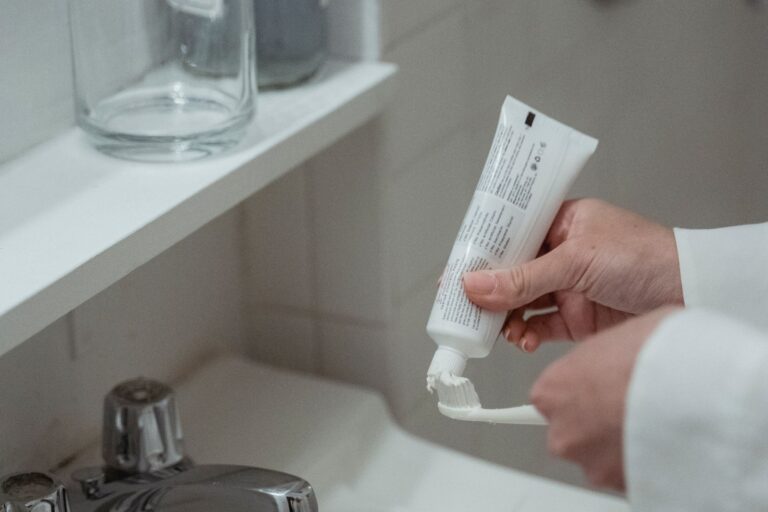
- Brush twice a day once teeth appear with fluoride toothpaste, no more than a smear the size of a grain of rice for children under 3, and a pea-sized amount for ages 3 to 6.
- Floss daily once two teeth touch.
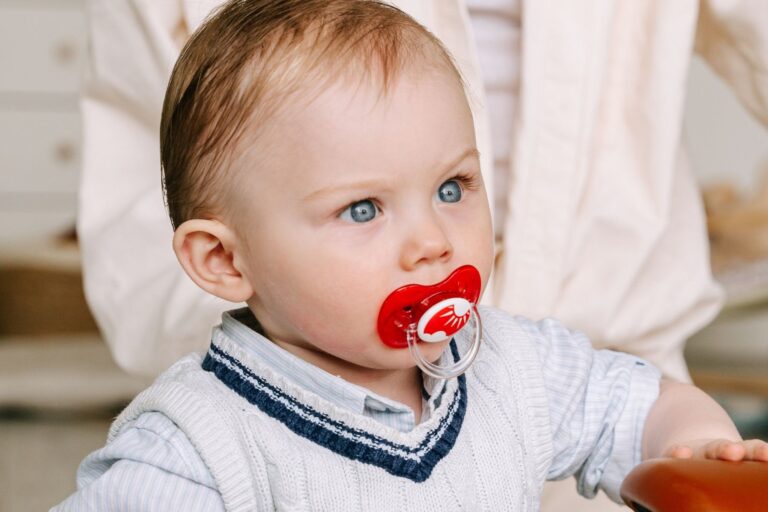
- Protect against decay. The ADA warns that pacifiers dipped in sugar, honey, or juice can lead to decay, and that sharing utensils or cleaning a pacifier with your mouth can pass cavity-causing bacteria to your baby. See our post on pacifiers and thumb sucking.
- Schedule the first dental visit within six months after the first tooth appears and no later than your child’s first birthday, as both the ADA and AAPD recommend.
Our pediatric dentistry team makes early visits gentle and easy for parents and babies. Later, when the first tooth gets wiggly, see our guide to a loose tooth in children.
Frequently asked questions about teething and baby teeth
When do babies start teething?
Babies are born with all 20 baby teeth beneath the gums, and they usually begin to come through between 6 and 12 months of age, according to the American Dental Association. Most children have a full set by about age 3.
What are the normal symptoms of teething?
Fussiness, trouble sleeping, irritability, loss of appetite, and more drooling are typical. Fever, diarrhea, and rash are not normal teething symptoms, so call your pediatrician if they occur.
What can I give my baby for teething pain?
Gently rub the gums with a clean finger, a small cool spoon, or a moist gauze pad, or offer a firm rubber teething ring under supervision. Avoid teething necklaces, benzocaine and lidocaine gels, and homeopathic teething tablets.
When should my baby first see a dentist?
The American Dental Association and the American Academy of Pediatric Dentistry recommend a first visit within six months after the first tooth appears, and no later than the first birthday.
Do baby teeth really matter if they fall out?
Yes. Baby teeth hold space for the permanent teeth, help children chew and speak, and can get cavities as soon as they appear. Untreated decay in baby teeth can cause pain and infection.
Schedule your baby’s first dental visit
Early visits help prevent cavities and answer your questions about teething, brushing, and feeding habits.
- Parham Road: 2314 E Parham Rd, Henrico, VA 23228, (804) 261-1970
- Brook Road: 9007 Brook Rd, Glen Allen, VA 23060, (804) 372-4420
First time with us? Visit our new patient page or contact us to get started.
Quick takeaways
- Babies usually begin teething between 6 and 12 months and have all 20 baby teeth by about age 3.
- Normal symptoms are fussiness, drooling, and irritability. Fever, diarrhea, or rash need a call to the pediatrician.
- Soothe with a clean finger, cool spoon, or firm rubber teether.
- Avoid teething necklaces, benzocaine or lidocaine gels, and homeopathic teething tablets.
- Baby teeth matter: they save space for permanent teeth and can get cavities right away.
- Book the first dental visit within six months of the first tooth, and by the first birthday.
Sources
- American Dental Association. Teething. MouthHealthy.org.
- U.S. Food and Drug Administration. Safely Soothing Teething Pain in Infants and Children.
- American Dental Association. Healthy Habits: Babies and Kids. MouthHealthy.org.
- American Academy of Pediatric Dentistry. The Importance of the Age One Dental Visit.