
Originally published April 17, 2019. Updated September 7, 2026.
Jaw pain, clicking, or a jaw that locks can make eating, talking, and even yawning uncomfortable. These symptoms are often grouped under the term TMJ, after the temporomandibular joints, or TMD, for temporomandibular disorders. The National Institute of Dental and Craniofacial Research (NIDCR) estimates that TMD affects approximately 5 percent of American adults and is twice as common in women, especially those between 35 and 44. The good news is that most cases improve with simple, conservative care. This guide explains the symptoms, possible causes, and treatments for TMJ disorders, and when to see a dentist.
What is the TMJ?
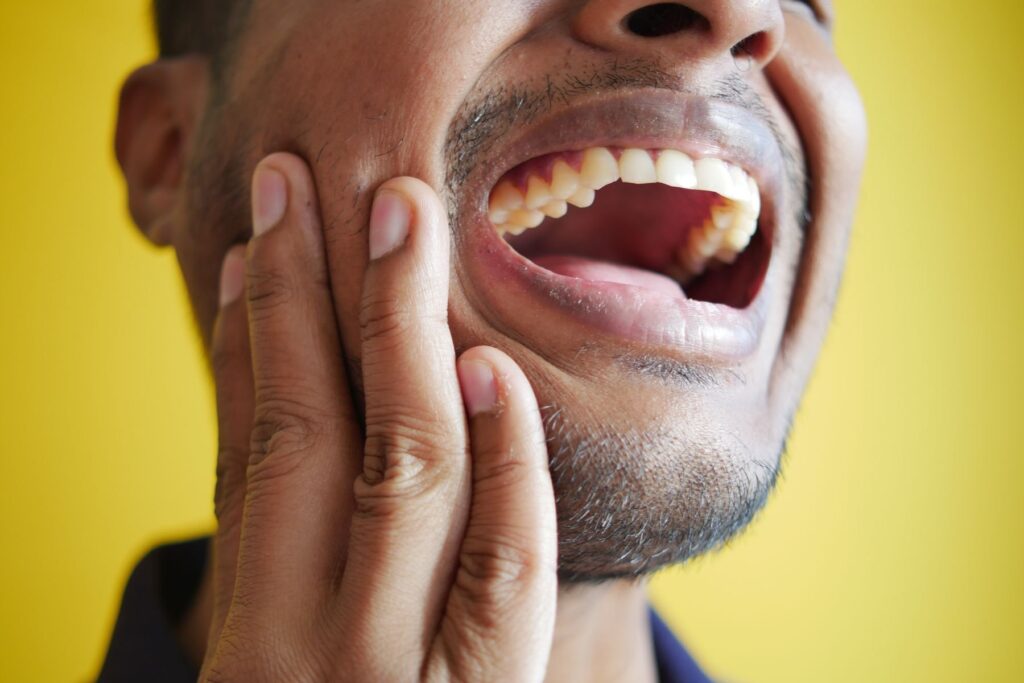
You have two temporomandibular joints, one on each side of your head. NIDCR suggests locating them by placing your fingers in front of your ears and opening your mouth. These joints, along with the surrounding muscles, control jaw movement. When they are irritated or not working smoothly, the result is a TMD.
What are the symptoms of a TMJ disorder?
NIDCR lists jaw joint or muscle discomfort as the most frequent symptom. Others include:
- Pain that spreads to the face or neck
- Jaw stiffness, limited movement, or locking
- Painful clicking, popping, or grating when you open or close your mouth
- Ringing in the ears or a change in how your teeth fit together
Cleveland Clinic adds headaches, ear pain, ear stuffiness, and tooth pain to the list. Importantly, NIDCR notes that clicking without pain is normal and does not need treatment.
What causes TMJ disorders?
The exact cause is often unclear. NIDCR says research suggests a combination of genes, psychological and life stressors, and how a person perceives pain may play a part. The American Dental Association (ADA) lists arthritis, dislocation, injury, tooth and jaw alignment, and stress and teeth grinding as possible causes. Note that the two sources differ on alignment: NIDCR states that the idea that a bad bite or orthodontic treatment causes TMD is not supported by research. Both agree that a dental exam is the right way to find out what is contributing in your case. Grinding and clenching can add strain, so read our guide to teeth grinding and night guards.
How common are TMJ disorders?
NIDCR reports about 5 percent of American adults, and notes that rates vary by study methods. Cleveland Clinic cites higher estimates, and both sources say women are affected about twice as often as men. Estimates differ, but TMD is common enough that most dentists see it regularly.
How are TMJ disorders treated?
Most people start with self-care and conservative treatment. NIDCR emphasizes soft foods, heat or cold therapy, over-the-counter pain relievers, and changing habits, followed if needed by physical therapy, behavioral therapy, and medications. The ADA recommends similar steps, including avoiding chewing gum and nail biting, using heat packs, and practicing relaxation techniques, and it lists jaw-strengthening exercises, medications, and night guards as further options.
- Night guards (oral appliances) can reduce strain from clenching and grinding.
- Physical therapy and gentle jaw stretches can relax and strengthen the muscles.
- Medications such as pain relievers or muscle relaxants may be recommended for short periods.
- Stress reduction can help when clenching is a factor.
NIDCR cautions against permanent, irreversible changes to the bite or jaw as early treatments and says surgery should be considered only as a last resort when severe symptoms persist despite other care. Cleveland Clinic notes that TMD is treatable and rarely causes lasting problems.
When should you see a dentist about jaw pain?
The ADA stresses that diagnosis is an important step before treatment. See a dentist if you have persistent jaw pain, limited movement, locking, or pain when chewing. Your dentist can examine the joints and muscles, rule out other problems, and refer you to a specialist if needed. Ongoing jaw pain can also come from tooth problems, so a full exam helps. Our preventive dentistry team can start with a thorough evaluation, and we can talk with you about protective appliances.
Frequently asked questions about TMJ
What is TMJ?
TMJ stands for the temporomandibular joints, the two joints on either side of your face that connect the jaw to the skull and let you chew, talk, and yawn. The term is also commonly used for temporomandibular disorders (TMD), the problems that cause pain and dysfunction in those joints and nearby muscles.
Is jaw clicking a problem?
Not always. The National Institute of Dental and Craniofacial Research says clicking without pain is normal and needs no treatment. See a dentist if the click comes with pain, locking, or limited movement.
What causes TMJ pain?
The cause is often unclear. Research points to a combination of genetics, life and psychological stressors, and how a person perceives pain. Injury, arthritis, jaw clenching, and teeth grinding may also contribute.
How is TMJ treated?
Usually with conservative care first: soft foods, heat or cold, over-the-counter pain relievers, gentle jaw exercises, relaxation techniques, and sometimes a night guard. Surgery is considered only as a last resort for severe cases.
Do braces or a bad bite cause TMJ disorders?
Research does not support that. The National Institute of Dental and Craniofacial Research states that a bad bite or orthodontic treatment such as braces is not supported by research as a cause of TMD, although the American Dental Association lists tooth and jaw alignment as a possible factor. A dentist can evaluate your situation.
Jaw pain or clicking that will not go away?
Book an exam and we will look at your jaw joints, muscles, and bite and talk through conservative treatment options.
- Parham Road: 2314 E Parham Rd, Henrico, VA 23228, (804) 261-1970
- Brook Road: 9007 Brook Rd, Glen Allen, VA 23060, (804) 372-4420
First time with us? Visit our new patient page or contact us to get started.
Quick takeaways
- TMJ refers to the jaw joints. TMD refers to disorders of those joints and muscles.
- Jaw pain is the most common symptom. Painless clicking is normal.
- Causes are often unclear and may include genetics, stress, injury, arthritis, and grinding.
- Most people improve with conservative care: soft foods, heat or cold, gentle exercises, and relaxation.
- Night guards may help when clenching or grinding is involved.
- Surgery is a last resort. See a dentist for an accurate diagnosis first.
Sources
- National Institute of Dental and Craniofacial Research, NIH. Temporomandibular Disorders (TMDs).
- American Dental Association. TMJ. MouthHealthy.org.
- Cleveland Clinic. TMJ Disorders: Symptoms, Treatment & Prevention.
- National Institute of Dental and Craniofacial Research, NIH. Ask the Expert: Bruxism (Tooth Grinding).