
Originally published June 16, 2021. Updated August 22, 2026.
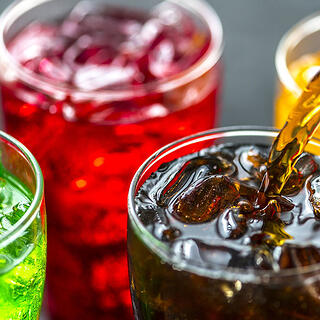
The worst drinks for your teeth are the ones that combine sugar and acid: soda, sports drinks, and fruit juice. Sugar feeds the bacteria that cause cavities, and acid can soften and wear away tooth enamel, the hard outer layer that protects each tooth. Enamel does not grow back, so damage adds up over time. A 2016 analysis in the Journal of the American Dental Association measured 379 commercially available beverages and found that 93 percent had a pH below 4.0, a range the authors considered potentially erosive to teeth.
This guide explains how each type of drink affects your teeth, how to enjoy them with less risk, and which drinks are the safest choices.
How do drinks damage tooth enamel?
Drinks harm teeth in two ways. The first is decay. As the American Dental Association (ADA) explains, the bacteria in your mouth feed on sugars and produce acids that can damage teeth, causing cavities or enamel erosion. Sipping makes this worse, because it gives bacteria more time to work.
The second is erosion. Acidic drinks can wear away enamel directly, whether or not they contain sugar. The ADA describes erosion as permanent damage that can lead to sensitivity, discoloration, and a higher risk of cavities. In the JADA beverage analysis, 39 percent of the drinks tested were classified as extremely erosive (pH below 3.0) and another 54 percent as erosive (pH 3.0 to 3.99).
Why is soda bad for your teeth?
Soda delivers both problems at once. The ADA calls soft drinks and soda the major erosion culprit, because carbonation raises the acid level of a drink regardless of sugar content. That is why switching to diet soda helps only partly. A laboratory study of 20 soft drink brands in General Dentistry found that sugared versions caused substantially more enamel loss than diet versions, yet prolonged exposure to soft drinks in general led to significant enamel loss. The same study found that acidity alone did not predict how damaging a drink was, and that some non-cola drinks caused more enamel loss than colas.
Are sports drinks like Gatorade bad for your teeth?
Sports drinks are designed to replace fluids and electrolytes during long or intense exercise, but the ADA lists them among sugary and acidic beverages to limit. For most workouts, plain water does the job without the sugar and acid. If you do choose a sports drink, drink it in one sitting rather than sipping it over a long practice or game, and follow it with water.
Is fruit juice bad for your teeth?
Fruit is a healthy food, but juice is a different story for your teeth. The ADA points out that citrus drinks such as orange juice and lemonade are high in acid even when they are natural, and it includes juice on its list of sugary beverages. Whole fruit is a better choice because it comes with fiber and less concentrated sugar. If you drink juice, the ADA suggests diluting it.
How can you protect your teeth if you still drink these?
You do not have to give up every favorite drink. These habits reduce the damage:
- Drink in one sitting. The ADA advises finishing a drink quickly rather than sipping over a long period, so your saliva can wash the sugar and acid away.
- Use a straw for acidic drinks to reduce contact with your teeth.
- Follow with water, milk, or cheese. The ADA notes that calcium-rich foods help neutralize acids.
- Wait an hour before brushing after acidic foods and drinks, so you are not brushing softened enamel.
- Chew sugarless gum with the ADA Seal to boost saliva flow.
- Brush twice a day with fluoride toothpaste and keep your regular checkups. See how often you should visit the dentist.
What are the best drinks for your teeth?
The ADA recommends water, especially fluoridated water, as well as unsweetened tea, milk, plain sparkling water, and diluted juice. Water has no sugar and no acid, and it helps rinse away food and bacteria. Our post on tooth sensitivity explains what enamel wear can feel like.
What are the signs that drinks are affecting your teeth?
Watch for new sensitivity to hot or cold, teeth that look yellower or more translucent, or a cavity found at a checkup. Early erosion often causes no symptoms at all, which is why regular exams matter. Our preventive dentistry team can spot early wear, and if decay has started we can repair it with a tooth-colored filling.
Frequently asked questions about drinks and teeth
Is Gatorade bad for your teeth?
Sports drinks such as Gatorade can be hard on teeth. The American Dental Association lists sports drinks among the sugary beverages that can lead to cavities and among the acidic drinks that can wear away enamel. For most workouts, water is the better choice, and if you do drink a sports drink, finish it in one sitting rather than sipping for hours.
Is diet soda safe for your teeth?
Diet soda is easier on teeth than regular soda but it is not harmless. The ADA notes that carbonation raises the acid level of a drink even when it has no sugar. In a laboratory study in General Dentistry, sugared soft drinks caused much more enamel loss than their diet versions, but the diet versions still caused some.
How long should I wait to brush after an acidic drink?
The American Dental Association recommends waiting an hour after acidic foods and drinks before brushing, which gives your saliva time to wash away acids. Rinsing with water right afterward is a good habit in the meantime.
What is the best drink for your teeth?
Water, especially fluoridated tap water. The ADA also lists unsweetened tea, milk, plain sparkling water, and diluted juice as better choices than sugary drinks.
Is orange juice bad for your teeth?
Orange juice is high in acid even though it is natural, according to the ADA, and it also contains sugar. Enjoy it with a meal, drink it in one sitting instead of sipping, and rinse with water afterward.
Talk with our team about protecting your enamel
If you drink soda, sports drinks, or juice regularly and want to know how your teeth are holding up, we can check for early enamel wear and recommend a plan that fits your habits.
- Parham Road: 2314 E Parham Rd, Henrico, VA 23228, (804) 261-1970
- Brook Road: 9007 Brook Rd, Glen Allen, VA 23060, (804) 372-4420
First time with us? Visit our new patient page or contact us to get started.
Quick takeaways
- The worst drinks for teeth combine sugar and acid: soda, sports drinks, and juice.
- Sugar causes cavities. Acid wears away enamel, and enamel does not grow back.
- Diet soda is easier on teeth than regular soda but still acidic.
- Drink in one sitting, use a straw, and follow with water.
- Wait an hour before brushing after acidic drinks.
- Water, milk, unsweetened tea, and plain sparkling water are safer choices.
- Regular checkups catch early enamel wear before it causes problems.
Sources
- American Dental Association. Sugar, Drinks and Dental Health. MouthHealthy.org.
- American Dental Association. Dietary Acids and Your Teeth. MouthHealthy.org.
- Reddy A, Norris DF, Momeni SS, Waldo B, Ruby JD. The pH of beverages in the United States. Journal of the American Dental Association. 2016;147(4):255-263.
- Jain P, Nihill P, Sobkowski J, Agustin MZ. Commercial soft drinks: pH and in vitro dissolution of enamel. General Dentistry. 2007;55(2):150-154.