

Originally published February 13, 2018. Updated September 1, 2026.
If a sip of ice water, a hot coffee, or a bite of ice cream sends a jolt through a tooth, you are dealing with tooth sensitivity, also called dentin hypersensitivity. It is common, and it is usually a sign that the protective layers of the tooth have worn down or been breached. Sensitivity has many possible causes, from brushing habits to gum recession to a cavity, and the right fix depends on the cause. This guide explains why teeth become sensitive, what you can do at home, what dentists can offer, and when to book an exam.
What causes tooth sensitivity?
Cleveland Clinic explains that sensitivity happens when enamel wears away and exposes the softer layer underneath, called dentin. Dentin contains tiny tubes leading to the nerve at the center of the tooth, so heat, cold, and sugar can reach it and cause discomfort. The American Dental Association (ADA) lists six main causes: tooth decay, fractured teeth, worn fillings, gum disease, worn tooth enamel, and an exposed tooth root.
In practice, that includes several everyday triggers:
- Acidic foods and drinks that erode enamel. The ADA notes that erosion is permanent and can lead to sensitivity, discoloration, and cavities. See the worst drinks for your teeth.
- Brushing too hard or using a hard-bristled brush.
- Gum recession, which exposes the root surface. Learn more about gum recession.
- Teeth grinding, which wears down enamel. See our guide to teeth grinding.
- Cracks, chips, cavities, and worn fillings.
- Gum disease and plaque buildup.
- Whitening products, acidic mouthwashes, or recent dental work, which Cleveland Clinic lists as temporary triggers.
How can you relieve sensitive teeth at home?
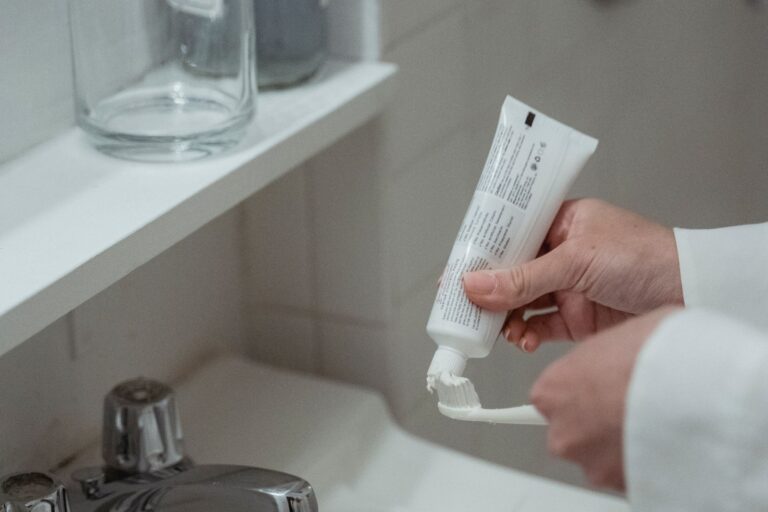
- Switch to desensitizing toothpaste. The ADA says these products contain compounds that help block sensation from the tooth surface to the nerve, and Cleveland Clinic notes that mild pain often improves with desensitizing toothpaste and good dental care. Look for the ADA Seal. See our guide to choosing toothpaste.
- Use a soft-bristled brush and gentle, short strokes.
- Limit acidic foods and drinks, and wait an hour after them before brushing, as the ADA advises, so you are not brushing softened enamel.
- Wear a mouth guard if you grind your teeth, as Cleveland Clinic recommends.
- Keep up your regular dental visits. The ADA says proper oral hygiene is the key to preventing sensitive-tooth pain.
How do dentists treat tooth sensitivity?
Treatment depends on the cause. The ADA and Cleveland Clinic describe these options:
- Fluoride. A fluoride gel or varnish strengthens enamel and reduces the transmission of sensation.
- Bonding, sealing, or restorations. A dentist can cover exposed root surfaces with bonding or dentin sealants, or repair the problem with an inlay, crown, or a new filling if decay or a flaw is the cause.
- Gum graft. When gum tissue has been lost, a graft can protect the root and reduce sensitivity.
- Root canal. The ADA reserves a root canal for severe, persistent sensitivity that has not responded to other treatments.
When should you see a dentist about sensitive teeth?
See a dentist if sensitivity lasts, gets worse, or is sharp rather than a brief twinge. Cleveland Clinic advises calling a dentist for a toothache that lingers longer than a day or two, and notes that untreated sensitivity can be a sign of cavities, gum disease, or infection. Our preventive dentistry team can find the cause and recommend the simplest effective treatment. If you are considering teeth whitening, ask us first if your teeth are sensitive.
Frequently asked questions about tooth sensitivity
Why are my teeth suddenly sensitive?
Sudden sensitivity usually means the protective layer over the tooth has been worn away or breached. Common causes are worn enamel, receding gums, a cavity, a cracked tooth, a worn filling, or recent dental work or whitening. A dentist can identify which one applies.
What is the difference between sensitivity and a cavity?
Sensitivity is a symptom that can have many causes, and a cavity is one of them. Pain that is sharp, lingers, or stays in one tooth is more likely to signal a problem such as decay or a crack and should be checked.
Does desensitizing toothpaste really work?
For mild sensitivity, yes. The American Dental Association says desensitizing toothpastes contain compounds that help block sensation from the tooth surface to the nerve. It can take repeated use to notice the effect, and persistent sensitivity should still be evaluated.
Can teeth whitening cause sensitivity?
It can. Cleveland Clinic lists whitening products among the possible causes of sensitive teeth. Talk with your dentist before whitening if your teeth are already sensitive.
When should I see a dentist for sensitive teeth?
See a dentist if sensitivity persists or worsens, if pain is sharp or lingers, or if a toothache lasts longer than a day or two. Untreated causes can lead to cavities or infection.
Ready to enjoy hot and cold foods again?
Sensitivity is treatable once the cause is known. Book an exam and we will find out why your teeth are reacting.
- Parham Road: 2314 E Parham Rd, Henrico, VA 23228, (804) 261-1970
- Brook Road: 9007 Brook Rd, Glen Allen, VA 23060, (804) 372-4420
First time with us? Visit our new patient page or contact us to get started.
Quick takeaways
- Sensitivity happens when enamel wears away or gums recede and expose dentin, which connects to the tooth nerve.
- Common causes are worn enamel, receding gums, cavities, cracks, grinding, and acidic foods and drinks.
- Desensitizing toothpaste, a soft brush, and fewer acidic foods often help mild cases.
- Dentists can use fluoride, bonding, fillings, or grafts depending on the cause.
- See a dentist if sensitivity persists, worsens, or comes with lingering pain.
Sources
- American Dental Association. Sensitive Teeth. MouthHealthy.org.
- Cleveland Clinic. Sensitive Teeth: Causes, Treatment & Prevention.
- American Dental Association. Toothpaste. MouthHealthy.org.
- American Dental Association. Dietary Acids and Your Teeth. MouthHealthy.org.