
Originally published May 27, 2020. Updated August 26, 2026.
The first wiggly tooth is a big moment for a child, and often a mix of excitement and worry for parents. Losing baby teeth is a normal part of growing up, and most of the time nothing needs to be done except to wait. Knowing what is typical, how to handle a loose tooth, and when to call the dentist takes the stress out of the process. This guide covers the timeline for losing baby teeth, how to help a loose tooth along, and what to do when something does not look right.
When do children start losing baby teeth?
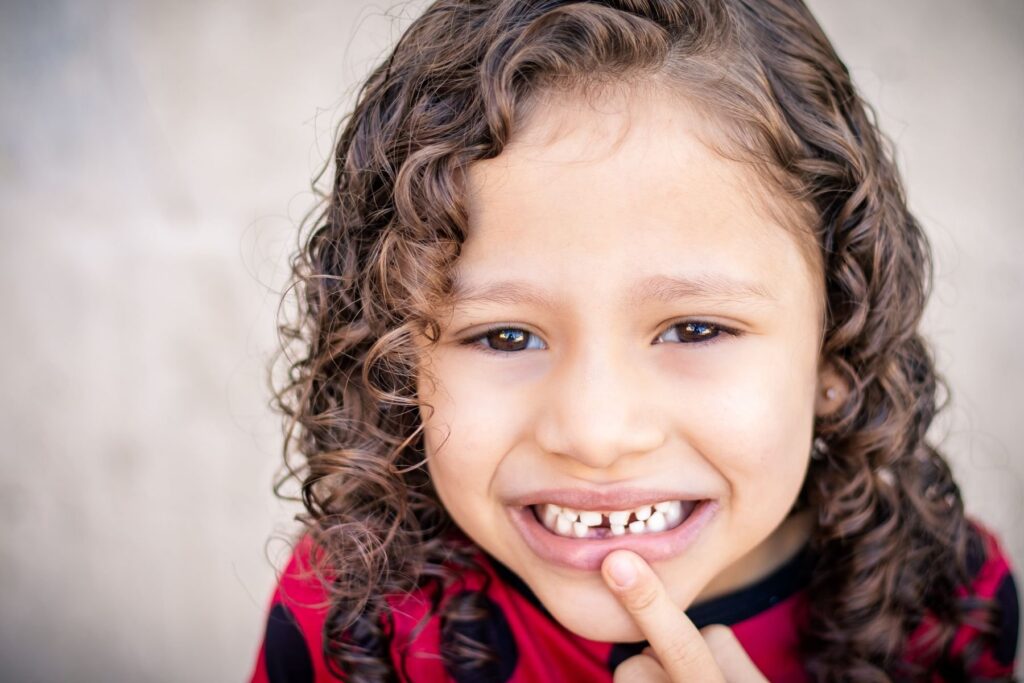
The American Academy of Pediatrics (AAP) says baby teeth are ordinarily shed first at about age 6, when the incisors, the middle teeth in front, become loose. The molars in the back are usually shed between ages 10 and 12, and permanent replacements arrive by about age 13. Children usually have 20 baby teeth by age 3, as the American Dental Association (ADA) notes, and growing jaws make space for the larger permanent teeth.
Why do baby teeth get loose?
As a permanent tooth moves up beneath a baby tooth, the root of the baby tooth is gradually reabsorbed by the body. By the time the tooth wiggles, there is very little left holding it in place. That is why a loose tooth usually falls out easily and with little pain.
How should you handle a loose tooth?
- Let it come out on its own whenever possible. The AAP says teeth generally fall out naturally as the roots are reabsorbed.
- If your child asks for help, and the tooth is very loose, the AAP suggests grasping it firmly with a piece of tissue or gauze and removing it with a quick twist.
- Do not pull forcefully. A tooth that is not ready can hurt, bleed more, or break, and dentists may need to remove teeth that are not loosening as they should.
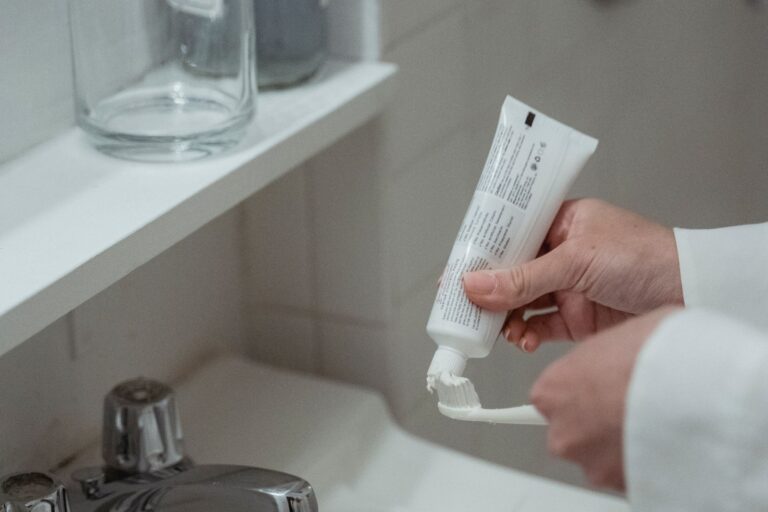
- Keep brushing. Encourage gentle brushing around the loose tooth with fluoride toothpaste, and clean the area after it comes out. See our guide on choosing toothpaste.
- Use gauze for bleeding. Have your child bite on a clean piece of gauze for a few minutes.
What if a permanent tooth comes in behind a baby tooth?
Sometimes a permanent tooth begins to appear before its baby tooth has fallen out, so there are two rows of teeth. This is often called “shark teeth.” The AAP advises seeing a dentist if a baby tooth is not loosening sufficiently on its own or if permanent teeth erupt prematurely. Your dentist can decide whether the baby tooth should be removed so the permanent tooth can move into place.
What if a baby tooth is lost too early, or in an accident?
Losing a baby tooth long before it would normally fall out can cause problems. The AAP notes that premature tooth loss from decay or an accident can allow neighboring teeth to drift so that permanent teeth come in crooked due to lack of space. For a baby tooth knocked out by a fall, the American Academy of Pediatric Dentistry endorses international guidelines that advise against replanting a baby tooth, because it can damage the developing permanent tooth. Even so, call your dentist after any blow to the mouth. Read more in our guide to a dental emergency.
When should you call the dentist?
- A baby tooth is not loosening when a permanent tooth is already coming in.
- A permanent tooth appears very early, or in the wrong place.
- Your child complains of a toothache. The AAP advises contacting your dentist whenever your child has a toothache.
- A tooth was loosened or lost because of an injury.
Our pediatric dentistry team is glad to check on loose teeth and answer questions. Routine visits also let us watch how the permanent teeth are coming in and decide whether sealants would protect the new molars.
Frequently asked questions about loose teeth in children
At what age do children start losing baby teeth?
Most children lose their first baby tooth at about age 6, usually a front tooth. Back molars are typically shed between ages 10 and 12, and most children have a full set of permanent teeth by about age 13.
Should I pull my child's loose tooth?
It is best to let it fall out on its own. If your child asks for help and the tooth is very loose, the American Academy of Pediatrics says you can grasp it firmly with tissue or gauze and remove it with a quick twist. Avoid forceful pulling.
What if a permanent tooth comes in behind a baby tooth?
This happens fairly often. If the baby tooth is not loosening on its own, or a permanent tooth is coming in early or out of place, call your dentist.
What should I do if my child loses a baby tooth in an accident?
Baby teeth that are knocked out are generally not put back in the mouth, but you should still call your dentist to check for other injury. If a permanent tooth is knocked out, it is an emergency.
Is bleeding normal when a tooth falls out?
A little bleeding is common. Have your child bite on clean gauze for a few minutes. Call your dentist if bleeding does not stop.
Have questions about your child’s loose tooth?
We are happy to look at a wiggly tooth or a new permanent tooth that is coming in early or out of place.
- Parham Road: 2314 E Parham Rd, Henrico, VA 23228, (804) 261-1970
- Brook Road: 9007 Brook Rd, Glen Allen, VA 23060, (804) 372-4420
First time with us? Visit our new patient page or contact us to get started.
Quick takeaways
- Children usually lose their first baby tooth around age 6 and finish around age 12 to 13.
- Let loose teeth fall out on their own. Avoid forceful pulling.
- A permanent tooth coming in behind a baby tooth, or a baby tooth that will not loosen, needs a dental check.
- Baby teeth knocked out in an accident are generally not replanted, but call the dentist anyway.
- Keep brushing with fluoride toothpaste and keep regular dental visits.
Sources
- American Academy of Pediatrics. When Children Begin to Lose their Baby Teeth. HealthyChildren.org.
- American Dental Association. Healthy Habits: Babies and Kids. MouthHealthy.org.
- American Dental Association. Baby Teeth Eruption Charts. MouthHealthy.org.
- American Academy of Pediatric Dentistry. IADT Guidelines for the Management of Traumatic Dental Injuries: Injuries in the Primary Dentition.