

Originally published September 28, 2018. Updated September 19, 2026.
Dental sealants are one of the simplest ways to prevent cavities in the back teeth, where most cavities form. A sealant is a thin protective coating painted onto the chewing surface of a tooth, and the application is quick and painless. The CDC reports that sealants prevent about 80 percent of cavities in the back teeth, where about 9 in 10 cavities occur, and children ages 6 to 11 without sealants have almost three times more first-molar cavities than children with them. This guide explains what sealants are, who should get them, how the procedure works, and how long they last.
What are dental sealants?
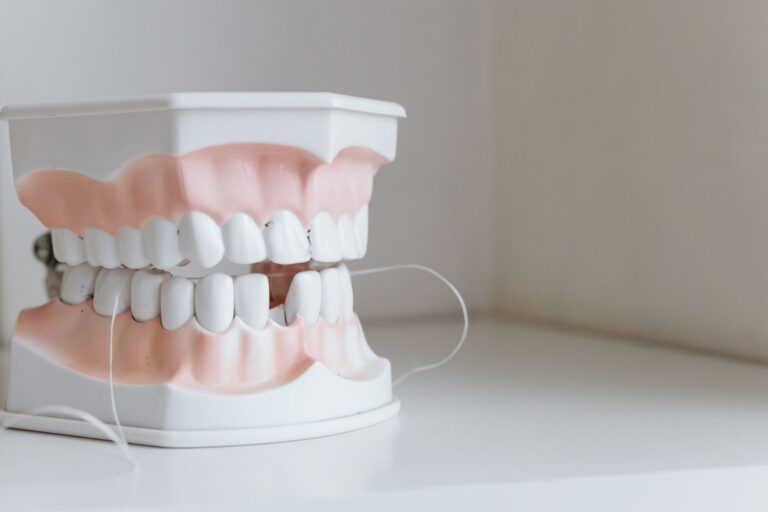
The American Dental Association (ADA) describes a sealant as a thin, protective coating, made from plastic or other dental materials, that adheres to the chewing surfaces of the back teeth. Molars are rough and uneven, with deep pits and grooves that are a favorite place for leftover food and cavity-causing bacteria to hide. Toothbrush bristles often cannot reach into them. A sealant fills those grooves and creates a smooth, easy-to-clean surface.
Who should get dental sealants?
Both children and adults can benefit, although the ADA says earlier is better and that sealants matter especially for children. Sealing permanent molars soon after they appear protects them during the years they are most vulnerable to decay. A dentist will check your teeth and tell you whether sealants are a good fit. Ask our pediatric dentistry team about sealants as part of your child’s preventive care.
How are sealants applied?
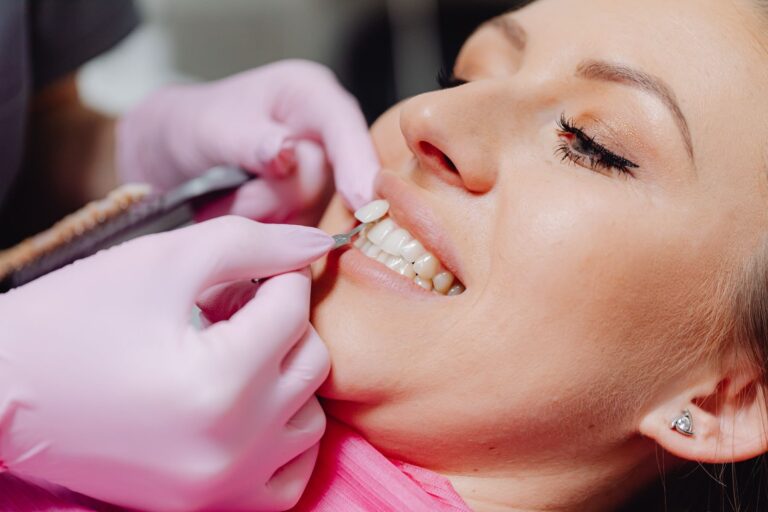
The ADA outlines a quick, painless process:
- The tooth is cleaned and dried.
- An acidic gel is applied briefly to roughen the surface so the sealant bonds well, then rinsed off.
- The sealant is painted into the grooves.
- A special blue light hardens it.
The ADA calls the procedure quick and painless.
How well do sealants prevent cavities?
Both the ADA and the CDC put the figure at roughly 80 percent for molars. An evidence-based clinical practice guideline published in the Journal of the American Dental Association concluded that sealants are effective in preventing and arresting pit-and-fissure cavities in children and adolescents, compared with no sealant or with fluoride varnish, and that they can limit the progression of early, non-cavitated lesions. A later ADA guideline on nonrestorative treatments likewise lists sealants among effective ways to arrest or reverse early lesions.
How long do sealants last, and are they safe?
The ADA says sealants often last several years before they need to be reapplied, and your dentist checks them at regular visits and can repair or replace worn ones. On safety, the ADA states that, apart from a possible allergy, there are no known side effects from sealants, and that any BPA exposure is minimal and poses no harm. Insurance coverage varies, so check with your dental benefit company.
Do sealants replace brushing and fluoride?
No. Sealants protect the chewing surfaces only. You still need to brush twice a day with fluoride toothpaste, clean between teeth, limit sugary drinks and snacks, and keep regular checkups. See our guides to choosing toothpaste and how often to visit the dentist. If a cavity does form, we can restore it with a tooth-colored filling.
Frequently asked questions about dental sealants
What are dental sealants?
Dental sealants are thin protective coatings, made of plastic or other dental materials, that are applied to the chewing surfaces of the back teeth. They seal the deep grooves where food and cavity-causing bacteria tend to collect.
How effective are dental sealants?
Very effective. The American Dental Association says sealants reduce the risk of decay by nearly 80 percent in molars, and the CDC reports that they prevent about 80 percent of cavities in the back teeth, where about 9 in 10 cavities occur.
How long do sealants last?
The American Dental Association says sealants often last several years before they need to be reapplied, and your dentist checks them at regular visits.
Are dental sealants safe?
Yes. The American Dental Association says there are no known side effects from sealants apart from a possible allergy, and that the tiny amount of BPA sometimes present poses no harm.
Can adults get sealants?
Yes. Children benefit most because their new molars are at highest risk, but adults with deep grooves and no decay in their back teeth can benefit too.
Ask about sealants at your next visit
If your child has new molars or you have deep grooves in your back teeth, we can check whether sealants are right for you.
- Parham Road: 2314 E Parham Rd, Henrico, VA 23228, (804) 261-1970
- Brook Road: 9007 Brook Rd, Glen Allen, VA 23060, (804) 372-4420
First time with us? Visit our new patient page or contact us to get started.
Quick takeaways
- Sealants are thin coatings that seal the deep grooves in back teeth where cavities start.
- They prevent about 80 percent of cavities in the teeth they cover, according to the ADA and CDC.
- Application is quick, painless, and needs no drilling.
- Sealants typically last several years and are checked at regular visits.
- They work best alongside brushing, fluoride, and regular checkups.
Sources
- American Dental Association. Sealants. MouthHealthy.org.
- Centers for Disease Control and Prevention. About Dental Sealants.
- Wright JT, Crall JJ, Fontana M, et al. Evidence-based clinical practice guideline for the use of pit-and-fissure sealants. Journal of the American Dental Association. 2016;147(8):672-682.
- Slayton RL, Urquhart O, Araujo MWB, et al. Evidence-based clinical practice guideline on nonrestorative treatments for carious lesions. Journal of the American Dental Association. 2018;149(10):837-849.