

Originally published September 1, 2016. Updated August 10, 2026.
Dry mouth, known medically as xerostomia, is the condition of not having enough saliva to keep the mouth wet, according to the National Institute of Dental and Craniofacial Research (NIDCR). It is more than an annoyance. Saliva helps protect your teeth and gums, so a persistently dry mouth raises the risk of tooth decay and infection. It is also common, especially among older adults and people who take regular medications. This guide explains what saliva does, what causes dry mouth, how to relieve it, and when to see a dentist.
What does saliva do for your mouth?
Saliva is one of your mouth’s main defenses. The American Dental Association (ADA) explains that saliva washes away food and other debris, neutralizes acids produced by bacteria, and provides disease-fighting substances. It also helps you chew, swallow, and speak comfortably. When saliva flow drops, all of those protections weaken.
What causes dry mouth?
The ADA describes dry mouth as not a disease itself but a symptom of a medical disorder or a side effect of certain medications. The most common causes are below.
- Medications. NIDCR says hundreds of medicines can cause the salivary glands to make less saliva, including those for high blood pressure, depression, and bladder control. The ADA also lists antihistamines, decongestants, pain relievers, and diuretics. In its clinical guidance, the ADA notes that 106 medications had strong to moderate evidence of being associated with salivary gland dysfunction. Learn more in our guide to how medications affect oral health.
- Health conditions. NIDCR lists Sjogren disease, HIV/AIDS, and diabetes. Cleveland Clinic notes that dry mouth can also be a symptom of high blood sugar in people with diabetes.
- Medical treatments. Radiation therapy to the head and neck can damage the salivary glands, and chemotherapy and immunotherapy can thicken saliva.
- Nerve damage. Injury to the head or neck can affect the nerves that tell the salivary glands to work.
- Lifestyle factors. The ADA includes alcohol, tobacco, and cannabis use. Cleveland Clinic adds that occasional dry mouth can come from dehydration or anxiety.
What are the symptoms of dry mouth?
NIDCR describes a sticky, dry feeling in the mouth, along with trouble chewing, swallowing, or speaking, a burning sensation, cracked lips, mouth sores, and frequent mouth infections. The ADA adds a constant sore throat, hoarseness, and dry nasal passages. Some people also notice bad breath. See our guide to bad breath for other causes.
Why is dry mouth bad for your teeth?
NIDCR states that dry mouth increases the risk of tooth decay and fungal infections because saliva normally keeps harmful germs in check. The ADA warns that without saliva, extensive tooth decay can occur, and that reduced saliva increases the chance of demineralization of teeth, tooth sensitivity, and oral infections. A review in the Journal of the American Dental Association found that dry mouth is widespread among older adults, arising from local salivary disorders and from a wide range of medications and medical conditions, and that early intervention is important for preventing harm. Cleveland Clinic also notes that over time dry mouth can contribute to gum disease.
How can you relieve dry mouth?
- Sip water throughout the day.
- Chew sugarless gum or use sugar-free candy to stimulate saliva. NIDCR and the ADA both recommend this.
- Use a saliva substitute or oral rinse. The ADA recommends products with the ADA Seal of Acceptance.
- Avoid irritants. NIDCR advises limiting caffeine, tobacco, and alcohol.
- Protect your lips and sleep comfortably. The ADA suggests lip lubricant and a humidifier at night.
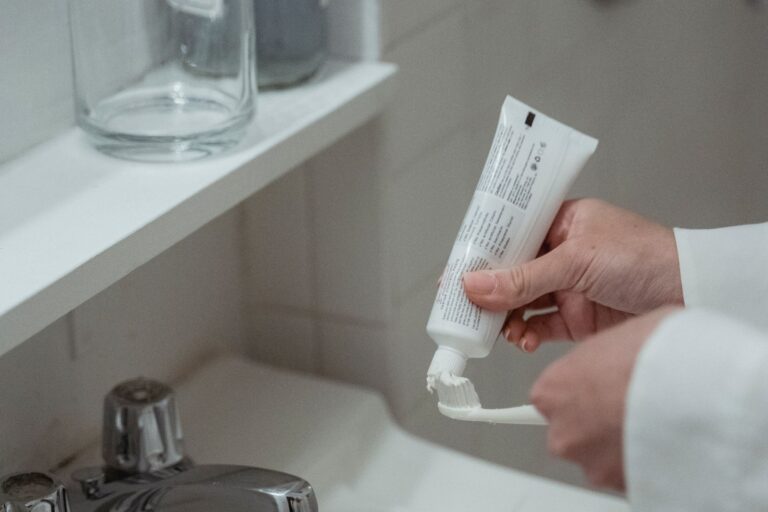
- Protect your teeth. Brush with fluoride toothpaste and floss daily. Your dentist can also recommend prescription-strength fluoride and more frequent checkups.
- Ask about your medications. NIDCR notes that medication adjustments can sometimes help. Do not change a prescription on your own. Talk with your doctor first.
When should you see a dentist about dry mouth?
NIDCR advises that if you think you have dry mouth, you should see your dentist or doctor to find out why. The ADA says dentists should review your medical history, examine your mouth, and put preventive strategies in place. Because dry mouth raises your cavity risk, we may suggest more frequent visits and extra fluoride. Our preventive dentistry team can build a plan that fits you, and we can repair any decay early with a tooth-colored filling. Also see our post on snoring and sleep apnea, since mouth breathing can dry the mouth overnight.
Frequently asked questions about dry mouth
What is the most common cause of dry mouth?
Medications. Hundreds of prescription and over-the-counter medicines, including many for high blood pressure, depression, allergies, and bladder control, can reduce saliva. Health conditions such as Sjogren disease and diabetes, and cancer treatments, are other common causes.
Is dry mouth bad for your teeth?
Yes. Saliva washes away food, neutralizes acids, and helps fight germs, so without enough of it the risk of tooth decay and mouth infections goes up.
How can I relieve dry mouth at home?
Sip water often, chew sugarless gum or suck on sugar-free candy to stimulate saliva, use an over-the-counter saliva substitute, avoid tobacco, alcohol, and caffeine, and consider a bedroom humidifier at night. Products with the ADA Seal of Acceptance are a good choice.
Should I stop my medication if it causes dry mouth?
No. Do not stop or change a prescribed medication on your own. Talk with your doctor or pharmacist, who may be able to adjust the dose or suggest an alternative.
When should I see a dentist for dry mouth?
See your dentist or doctor if your mouth feels dry often, since the cause needs to be identified. Persistent dry mouth calls for extra cavity prevention, such as prescription-strength fluoride.
Ask us about dry mouth
If your mouth is often dry, our team can look for the cause, check for early decay, and recommend ways to protect your teeth.
- Parham Road: 2314 E Parham Rd, Henrico, VA 23228, (804) 261-1970
- Brook Road: 9007 Brook Rd, Glen Allen, VA 23060, (804) 372-4420
First time with us? Visit our new patient page or contact us to get started.
Quick takeaways
- Dry mouth means your mouth is not making enough saliva, which normally washes away food, neutralizes acid, and fights germs.
- Medications are the most common cause. Health conditions and cancer treatments are others.
- Less saliva raises the risk of cavities, gum problems, and mouth infections.
- Sip water, chew sugarless gum, use ADA-accepted saliva substitutes, and avoid tobacco and alcohol.
- Never stop a prescribed medication on your own. Talk with your doctor.
- See your dentist if dryness is frequent so the cause can be found and your teeth protected.
Sources
- National Institute of Dental and Craniofacial Research, NIH. Dry Mouth.
- American Dental Association. Dry Mouth. MouthHealthy.org.
- American Dental Association. Xerostomia (Dry Mouth). ADA Oral Health Topics.
- Turner MD, Ship JA. Dry mouth and its effects on the oral health of elderly people. Journal of the American Dental Association. 2007;138(Suppl):15S-20S.
- Cleveland Clinic. Dry Mouth (Xerostomia): Causes, Symptoms & Treatment.