
Originally published December 13, 2018. Updated August 16, 2026.
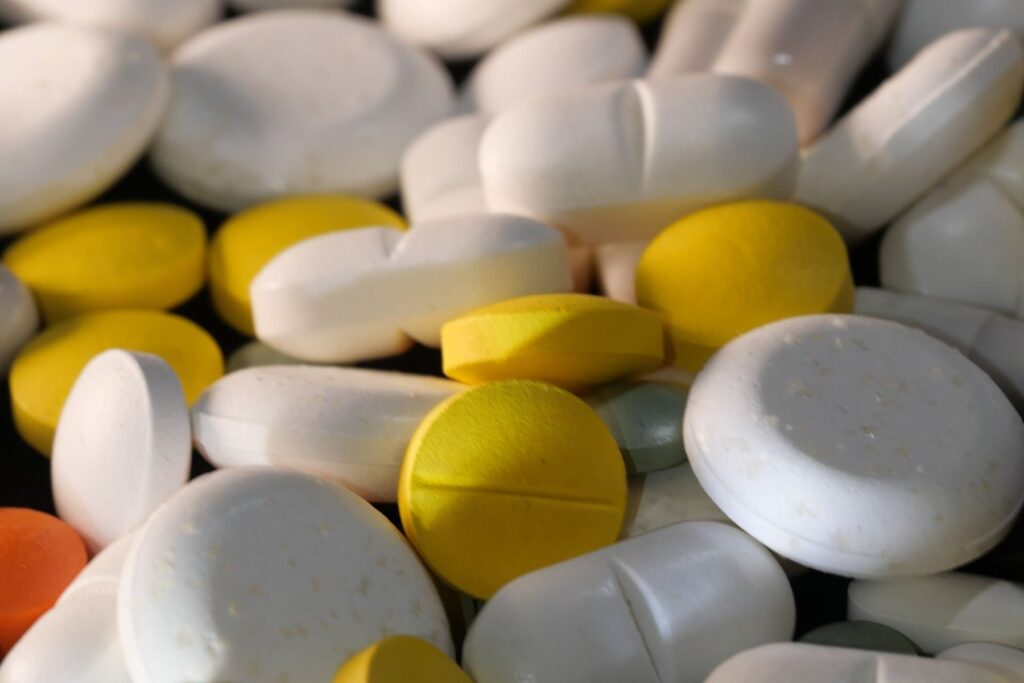
Medications keep millions of people healthy, but many of them also affect the mouth. The most common effect is dry mouth, and the ADA reports that more than 100 medications have strong to moderate evidence of causing salivary gland dysfunction. Others alter taste, make gums bleed more easily, or add sugar to a child’s daily routine. Because your dentist plans care around your overall health, an accurate medication list is one of the most useful things you can bring to an appointment. This guide explains the most common oral side effects and what to do about them.
How can medications cause dry mouth?
Dry mouth is the best-known oral side effect. The National Institute of Dental and Craniofacial Research (NIDCR) says hundreds of medicines can cause the salivary glands to make less saliva, including those for high blood pressure, depression, and bladder control. The American Dental Association (ADA) reports that 106 medications had strong to moderate evidence of an association with salivary gland dysfunction, particularly anticholinergic drugs such as some antidepressants and antihistamines, and that people taking multiple daily medications face a higher risk. Saliva protects teeth, so reduced flow raises the chance of cavities, tooth sensitivity, and oral infections. Read our full guide to dry mouth for relief strategies.
Can medications change how food tastes?
Yes. The National Institute on Deafness and Other Communication Disorders (NIDCD) lists some common antibiotics and antihistamines among the chemicals that can cause taste problems, and it notes that stopping or changing a medicine may help eliminate the problem. If a new metallic or bitter taste appears after starting a medication, mention it to your doctor. Our post on why food tastes funny after brushing covers a different, harmless cause of taste changes.
Can medications make your gums bleed?
MedlinePlus lists blood thinners among the causes of bleeding gums, alongside plaque buildup, brushing too hard, pregnancy hormones, and vitamin deficiencies. The ADA also lists certain medications as a risk factor for gum disease. If you take a blood thinner, keep up with gentle brushing and flossing, and let your dentist know before any procedure. Our guide to bleeding gums explains when bleeding needs attention.
Can liquid medicines cause cavities in children?
They can. Many over-the-counter and prescription oral liquid medicines contain sugar. The American Academy of Pediatric Dentistry (AAPD) recommends educating parents and health professionals about the sugar content of foods, beverages, and oral liquid medications, and it identifies children with chronic conditions who take medicines regularly as being at higher risk for cavities. If your child takes a liquid medicine regularly, ask your pharmacist about sugar-free options and talk with our pediatric dentistry team about extra protection.
What should you do if your medications affect your mouth?
- Keep an up-to-date list of every prescription, over-the-counter product, vitamin, and supplement, and share it at each dental visit. The ADA advises dentists to take a detailed medical history.
- Do not stop a medication on your own. Ask your doctor whether a dose change or alternative is possible.
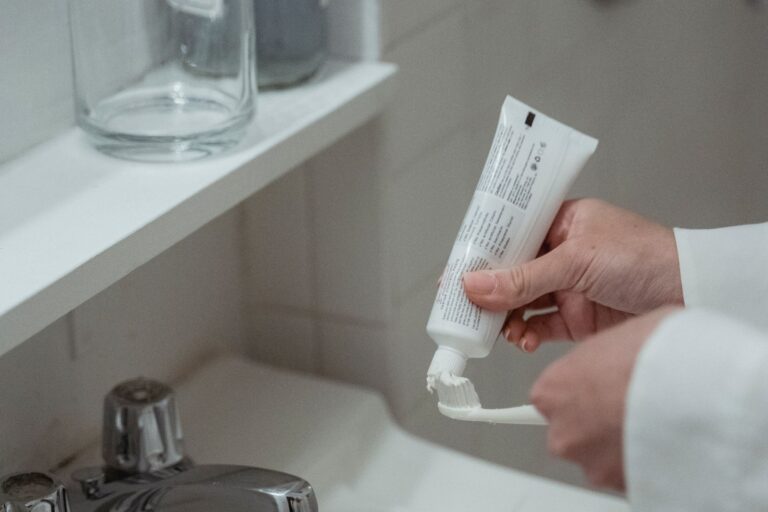
- Protect your teeth. Brush twice daily with fluoride toothpaste, floss daily, and ask about prescription-strength fluoride if you have dry mouth.
- Stay hydrated and stimulate saliva with water and sugarless gum.
- Keep regular checkups. You may benefit from more frequent visits. See how often to see the dentist.
Frequently asked questions about medications and oral health
Can medications affect your teeth and gums?
Yes. Many medications reduce saliva, which raises the risk of cavities. Some change taste, and blood thinners can make gums bleed more easily. Sugary liquid medicines can also contribute to cavities in children.
Which medications cause dry mouth?
Hundreds of medicines can, including many for high blood pressure, depression, allergies, and bladder control. The American Dental Association specifically lists antihistamines, decongestants, pain relievers, and diuretics.
Should I tell my dentist about my medications?
Yes, every visit. Include prescriptions, over-the-counter products, vitamins, and supplements. Your dentist uses this list to protect your teeth and to avoid treatment that could interact with your medicines.
Should I stop a medication that affects my mouth?
No. Never stop or change a prescribed medication on your own. Talk with your doctor or pharmacist, who may be able to adjust it, and ask your dentist about ways to protect your mouth in the meantime.
Can children's liquid medicine cause cavities?
It can. Some oral liquid medicines contain sugar, and the American Academy of Pediatric Dentistry recommends that parents and health professionals be aware of the sugar content of oral liquid medications along with foods and drinks.
Bring your medication list to your next visit
Our team can review how your medications may affect your teeth and gums and build a prevention plan around your health.
- Parham Road: 2314 E Parham Rd, Henrico, VA 23228, (804) 261-1970
- Brook Road: 9007 Brook Rd, Glen Allen, VA 23060, (804) 372-4420
First time with us? Visit our new patient page or contact us to get started.
Quick takeaways
- Many medications reduce saliva, which raises the risk of cavities and mouth infections.
- Some antibiotics and antihistamines can change taste.
- Blood thinners can make gums bleed more easily.
- Sugary liquid medicines can contribute to cavities, especially in children.
- Share a full medication list with your dentist at every visit.
- Never stop a prescription on your own. Talk with your doctor.
Sources
- National Institute of Dental and Craniofacial Research, NIH. Dry Mouth.
- American Dental Association. Xerostomia (Dry Mouth). ADA Oral Health Topics.
- National Institute on Deafness and Other Communication Disorders, NIH. Taste Disorders.
- MedlinePlus, National Library of Medicine. Bleeding gums. Reviewed February 2026.
- American Dental Association. Gum Disease. MouthHealthy.org.
- American Academy of Pediatric Dentistry. Policy on Dietary Recommendations for Infants, Children, and Adolescents.