
Originally published September 14, 2016. Updated August 4, 2026.
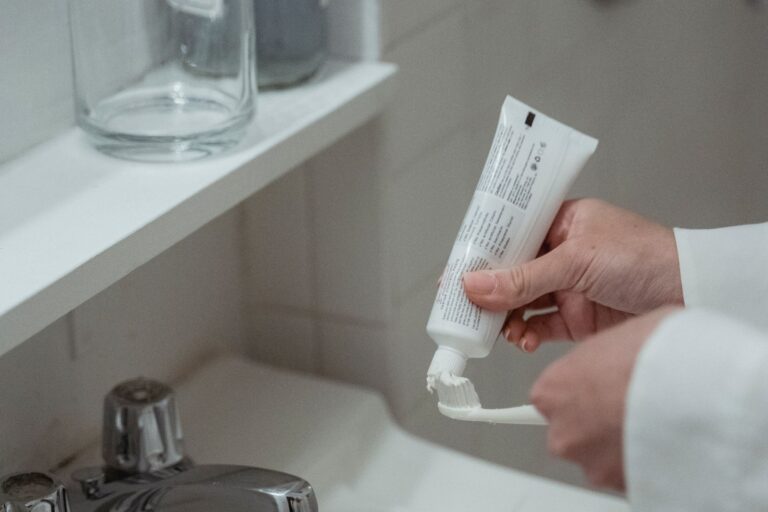
If orange juice tastes unusually bitter right after you brush your teeth, the likely cause is your toothpaste, not your breakfast. Many toothpastes contain sodium lauryl sulfate (SLS), a foaming agent that temporarily changes how your taste buds respond to sweet and bitter flavors. The effect is harmless and short-lived. Taste researchers have studied SLS as a taste modifier for decades, including a 1980 paper in the journal Chemical Senses that compared it with gymnemic acid, another compound known to alter taste.
This guide explains why food and drinks taste strange after brushing, how long it lasts, and what you can do about it.
Why does everything taste bad after brushing your teeth?
Your taste buds detect five basic tastes: sweet, sour, bitter, salty, and umami, according to the National Institute on Deafness and Other Communication Disorders (NIDCD). SLS is a surfactant, the ingredient that makes toothpaste foam and spread evenly across your teeth. It is also a taste modifier. Chemists and taste researchers describe two effects: it dulls the perception of sweetness, and it can make bitter and sour flavors seem stronger. The American Chemical Society has explained the effect in an article titled “The Taste Effect of Sodium Lauryl Sulfate”, which asks why orange juice tastes so bad after you brush.
Why does orange juice taste so bitter after brushing?
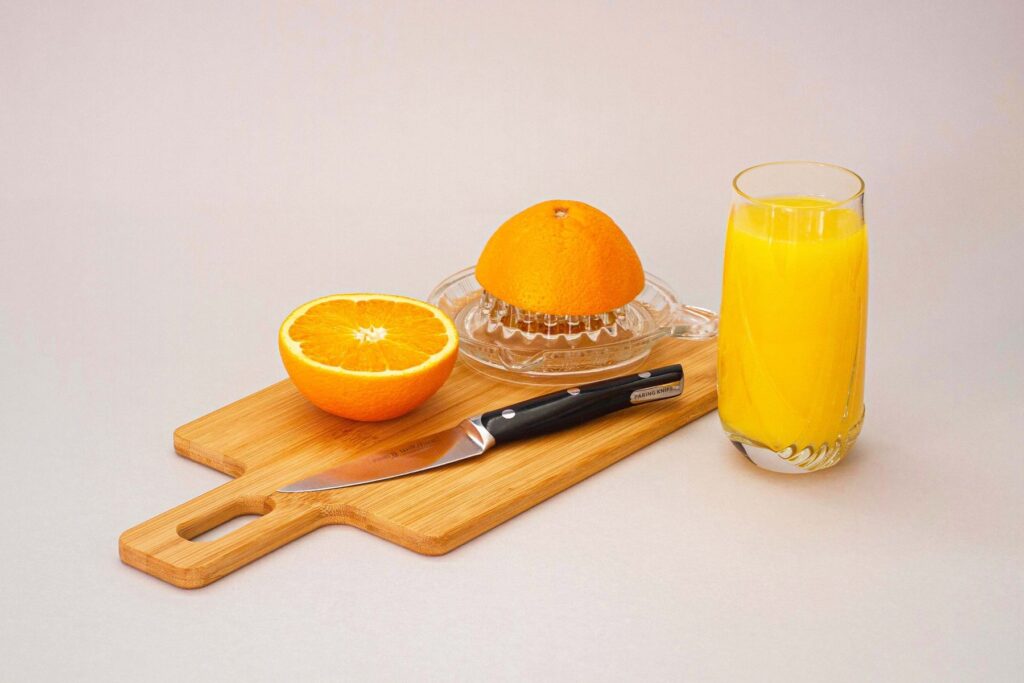
Orange juice is a good example because it contains both sugar and acid. When SLS dulls your ability to taste the sweetness, the natural sourness and bitterness are all that is left. The ADA notes that citrus drinks like orange juice are naturally high in acid, so the contrast is especially noticeable.
How long does the bad taste after brushing last?
Not long. As saliva rinses the surfactant away, your sense of taste returns to normal, and in most people this happens within about an hour. If your mouth is dry, it may take longer, because saliva is what clears the foaming agent. Read more about the causes of dry mouth and how to manage it.
How can you avoid the bad taste after brushing?
- Rearrange your morning. Brush first, then get dressed or read the news for a while before you eat.
- Rinse thoroughly with water. A good rinse clears away leftover foam.
- Try an SLS-free toothpaste. These are widely available. Look for fluoride and the ADA Seal of Acceptance, as the ADA advises when choosing toothpaste.
- Brush after breakfast instead. If your breakfast includes acidic foods or juice, the ADA recommends waiting about an hour before brushing so your saliva can neutralize acid first.
Not sure which toothpaste is best for you? Our guide on how to choose toothpaste walks through the options.
When could a bad taste be a sign of something else?
The taste from toothpaste is temporary. A taste that lingers, or a bitter or metallic taste that has nothing to do with brushing, deserves attention. NIDCD notes that some common medications, including certain antibiotics and antihistamines, can cause taste problems, that a stuffy nose from a cold can reduce taste, and that good oral hygiene is important to maintaining a well-functioning sense of taste. Dry mouth, gum problems, and infections can also affect taste. See our overview of how medications affect oral health, and talk with your dentist or doctor if the change persists.
Frequently asked questions about taste after brushing
Why does everything taste bad after brushing my teeth?
Many toothpastes contain a foaming agent called sodium lauryl sulfate (SLS). Taste researchers have studied SLS as a taste modifier since at least 1980. It temporarily dulls the perception of sweetness and can make bitter and sour flavors seem stronger, so foods like orange juice taste unpleasant right after brushing.
How long does the bad taste after brushing last?
It is short-lived. As saliva rinses your mouth, the effect fades, and in most people it is gone within about an hour.
Is the taste change harmful?
No. It is a temporary change in how your taste buds respond, and it does not mean anything is wrong with your teeth or toothpaste. It is not a reason to skip brushing.
Does SLS-free toothpaste help?
It may. Toothpastes without SLS are available, and they do not change taste in the same way. Whichever toothpaste you choose, the American Dental Association advises picking one with fluoride and the ADA Seal of Acceptance.
When should I see a dentist about a bad taste in my mouth?
See your dentist or doctor if a bitter, metallic, or unpleasant taste lingers long after brushing, or comes with dry mouth, bad breath, or sore gums. The National Institute on Deafness and Other Communication Disorders advises talking with a doctor about any taste problem that persists.
Questions about your brushing routine?
Our team is happy to review your oral hygiene routine, recommend a toothpaste, and check for any cause of a persistent taste change.
- Parham Road: 2314 E Parham Rd, Henrico, VA 23228, (804) 261-1970
- Brook Road: 9007 Brook Rd, Glen Allen, VA 23060, (804) 372-4420
First time with us? Visit our new patient page or contact us to get started.
Quick takeaways
- Food tastes strange after brushing mainly because of SLS, the foaming agent in many toothpastes.
- SLS dulls sweetness and can make bitter and sour flavors seem stronger, which is why orange juice tastes so unpleasant.
- The effect is harmless and usually fades within about an hour.
- Brush before breakfast and wait, rinse well, or try an SLS-free toothpaste.
- After acidic foods or juice, wait about an hour before brushing.
- See your dentist or doctor if a bad taste lingers or comes with dry mouth, bad breath, or sore gums.
Sources
- DeSimone JA, Heck GL, Bartoshuk LM. Surface active taste modifiers: a comparison of the physical and psychophysical properties of gymnemic acid and sodium lauryl sulfate. Chemical Senses. 1980;5(4):317-330.
- American Chemical Society. The Taste Effect of Sodium Lauryl Sulfate. ChemMatters. April 1995.
- National Institute on Deafness and Other Communication Disorders, NIH. Taste Disorders.
- American Dental Association. Toothpaste. MouthHealthy.org.
- American Dental Association. Dietary Acids and Your Teeth. MouthHealthy.org.