

Your Dentistry Journal
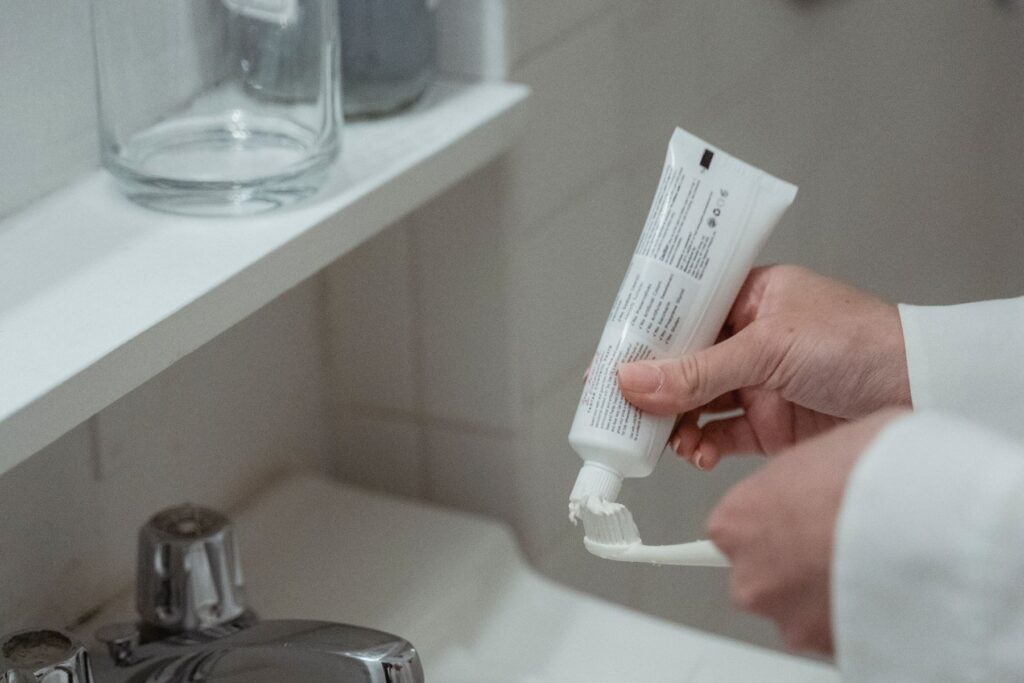

Worst Drinks for Your Teeth: Are Soda, Sports Drinks, and Juice Bad for Enamel?
Soda, sports drinks, and juice combine sugar and acid, the two things that harm teeth most. Learn how each affects enamel and how to protect your smile.

Loose Tooth in Children: What Is Normal and What to Do
Children start losing baby teeth around age 6. Learn how to handle a loose tooth, what to do about shark teeth, and when to call the dentist.

Sleep Apnea, Snoring, and Your Teeth: What Dentists See and How They Help
Snoring can be a sign of sleep apnea. Learn the symptoms, how it affects your teeth and jaw, how it is diagnosed, and the role dentists play in treatment.

Bleeding Gums: Causes, Treatment, and When to See a Dentist
Healthy gums do not bleed. Learn what causes bleeding gums, how to treat them at home, and when it is time to see a dentist.
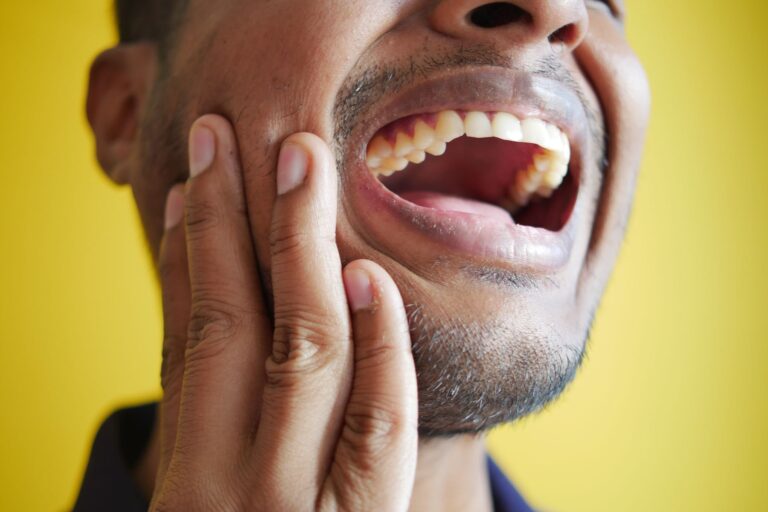
TMJ Disorders: Symptoms, Causes, and Treatment for Jaw Pain
Jaw pain, clicking, or locking may be a TMJ disorder. Learn the symptoms, possible causes, and treatments, and when to see a dentist.

Canker Sores: Causes, Triggers, Treatment, and When to See a Dentist
Canker sores are painful but not contagious, and most heal in one to two weeks. Learn what causes them, how to find relief, and when to get a mouth sore checked.

Root Canal Treatment: What to Expect, Recovery, and Common Myths
A root canal saves an infected tooth and is usually no more painful than a filling. Learn what to expect, how recovery goes, and which myths are false.
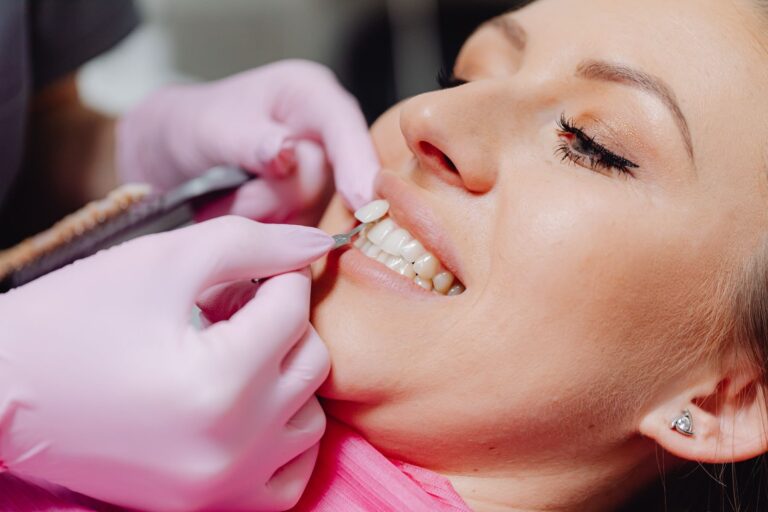
Dental Veneers: Types, Procedure, Lifespan, and What to Know Before You Decide
Veneers can transform a smile but they are a lasting commitment. Learn the types, procedure, lifespan, risks, and alternatives before you decide.

How Medications Affect Your Oral Health: Dry Mouth, Taste, and Bleeding Gums
Many common medications affect the mouth, from dry mouth and taste changes to bleeding gums. Learn what to watch for and how to protect your teeth.
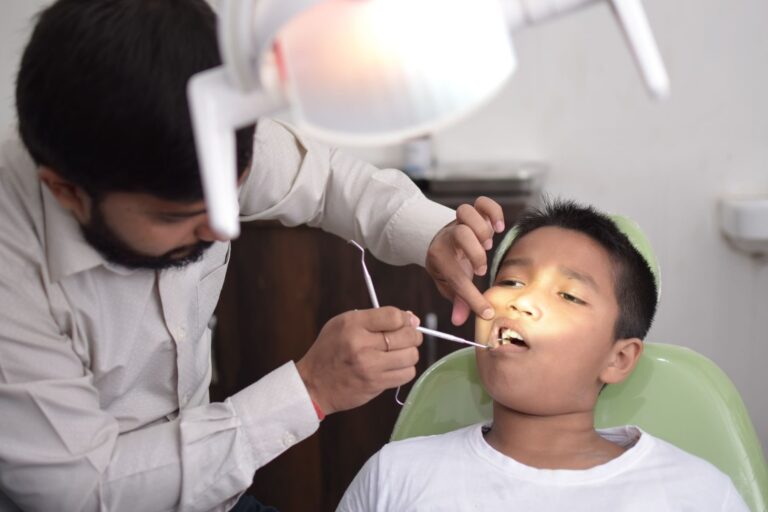
Dental Sealants: What They Are, Who Needs Them, and How They Prevent Cavities
Dental sealants protect the deep grooves of back teeth and prevent about 80 percent of cavities in molars. Learn who should get them and how long they last.
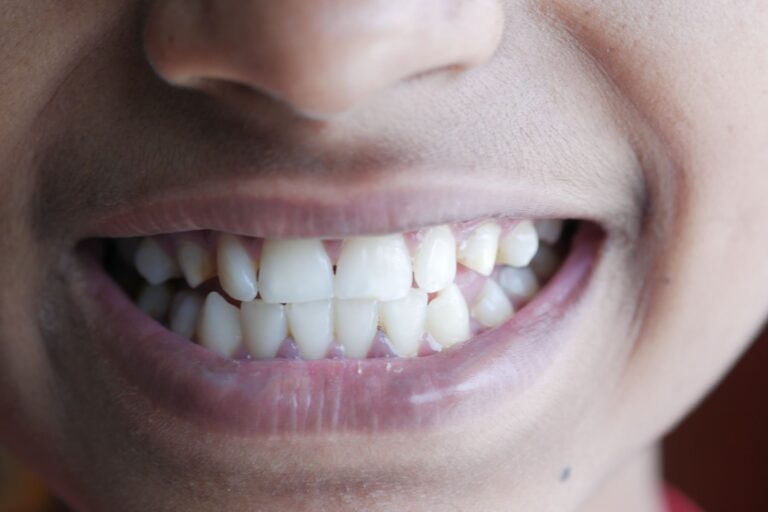
White Spots on Teeth: Causes, Treatment, and Prevention
White spots on teeth can be early decay, fluorosis, or a result of braces. Learn what causes them, how they are treated, and how to prevent them.

Dental Anxiety: Practical Tips and Sedation Options for Nervous Patients
Nervous about the dentist? Learn why dental anxiety happens, practical ways to feel calmer, and the sedation options that can help.

Pacifiers and Thumb Sucking: When Is It a Problem for Your Child’s Teeth?
Most children outgrow pacifiers and thumb sucking by age 4. Learn when these habits affect teeth, what the experts recommend, and how to help your child stop.

Tooth Sensitivity: Causes, Treatments, and When to See a Dentist
Sensitive teeth are usually a sign that enamel has worn away or gums have receded. Learn the causes, what helps at home, and when to see a dentist.
Gum Recession: Causes, Signs, Treatment, and Prevention
Gum recession exposes the tooth root and does not grow back on its own. Learn the causes, warning signs, treatment options, and how to protect your gums.
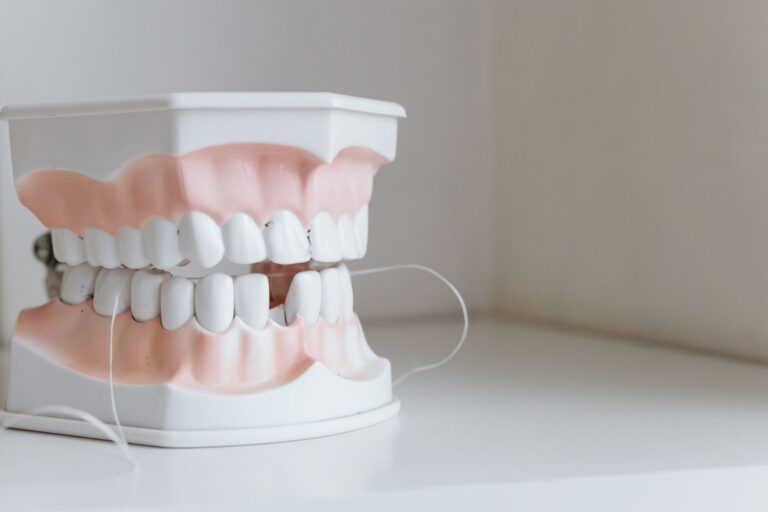
Types of Dentures: Complete, Partial, and Implant-Supported Options
Learn the types of dentures, what to expect while getting used to them, how to care for them, and when implants might be a better fit.
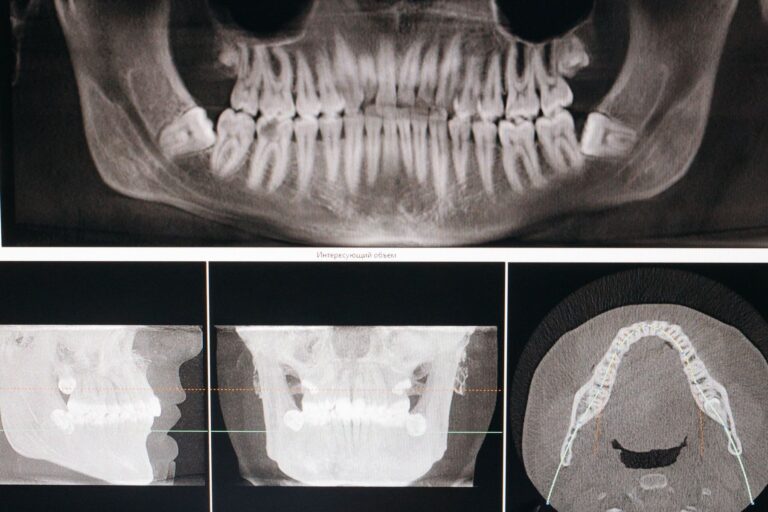
Dental X-Rays: Types, Safety, and How Often You Really Need Them
Dental X-rays reveal problems your dentist cannot see. Learn the types, how safe they are, and how often you need them.

Teeth Grinding (Bruxism): Causes, Signs, and How Night Guards Help
Many people grind their teeth without knowing it. Learn the signs of bruxism, what causes it, how night guards protect your teeth, and what else can help.
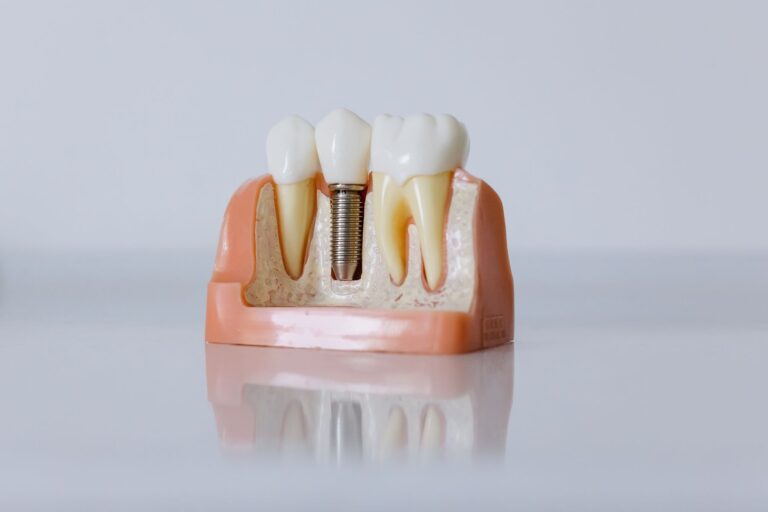
Dental Implants: How They Work, Who Qualifies, and What to Expect
Dental implants replace the tooth root and the tooth. Learn how they work, who qualifies, the timeline, success rates, and how to care for them.
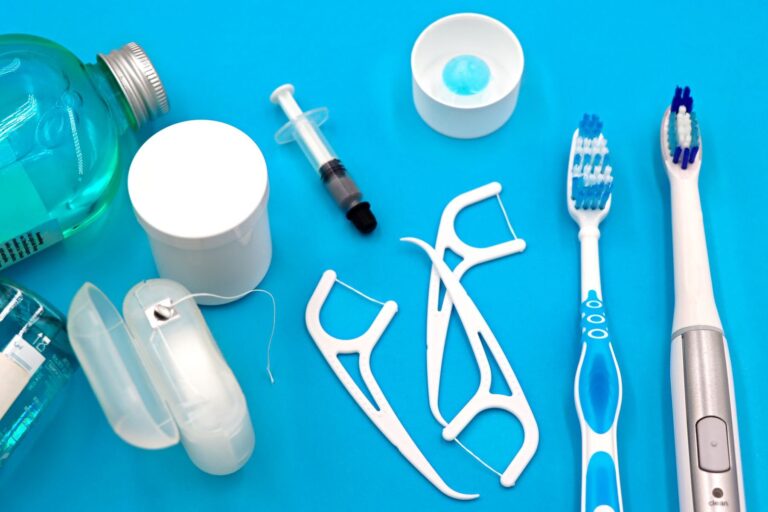
Bad Breath (Halitosis): Causes, Tongue Cleaning, and How to Get Rid of It
Most bad breath starts in the mouth. Learn what causes halitosis, how tongue cleaning and good hygiene help, and when to see a dentist or doctor.

Pregnancy and Oral Health: Gingivitis, Morning Sickness, and Safe Dental Care
Pregnancy changes your gums and teeth, and dental care is safe throughout. Learn about pregnancy gingivitis, morning sickness, and how to protect your smile.
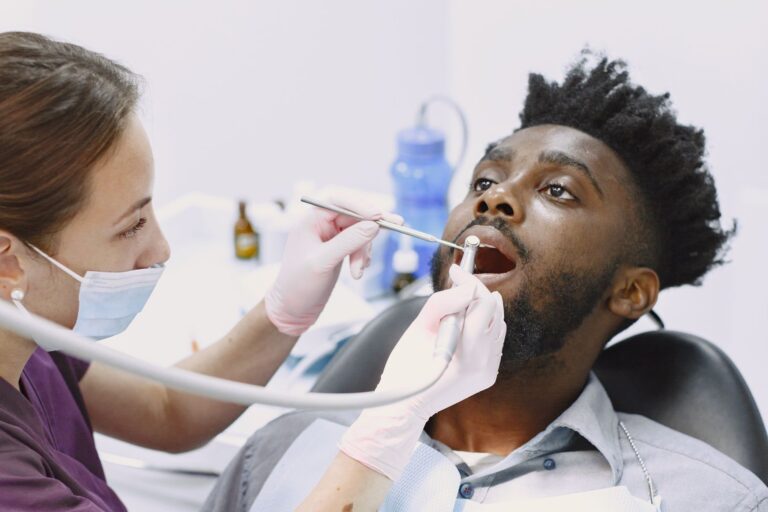
How Often Should You See the Dentist? Checkup Frequency and Warning Signs
Six months is a common starting point, but the right checkup schedule depends on your risk. Learn how often to go and which symptoms mean you should not wait.

Teething and Baby Teeth: Symptoms, Safe Relief, and Early Dental Care
Learn when teething starts, how to soothe it safely, what to avoid, and how to care for baby teeth from the first tooth.

How to Floss Correctly: Technique, Alternatives, and What the Research Says
Learn how to floss correctly, how often to do it, what the research says, and which alternatives work for braces, bridges, and children.
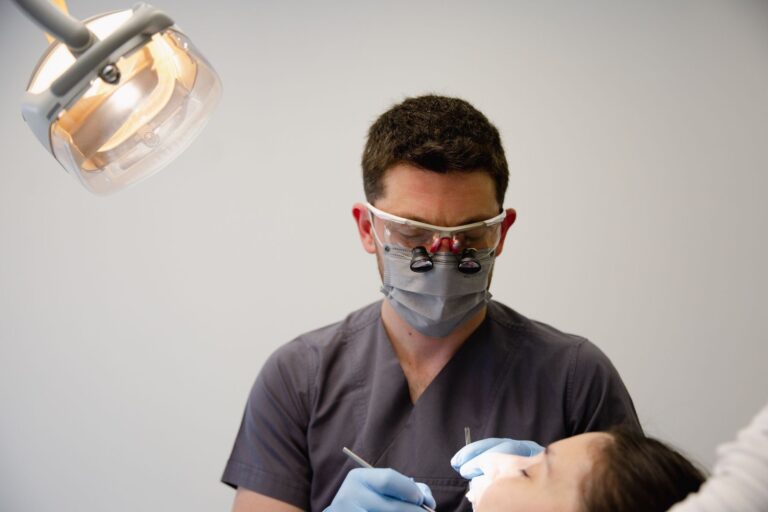
Dental Emergency: What to Do for a Toothache, Broken Tooth, or Knocked-Out Tooth
Know what counts as a dental emergency and what to do in the first minutes: a knocked-out tooth, a broken tooth, or a severe toothache, and when to go to the ER.

Oral Cancer Screening: Warning Signs, Risk Factors, and What to Expect
Oral cancer is often painless in its early stages. Learn the warning signs, risk factors, what a screening exam involves, and when to see a dentist.

Why Does Food Taste Funny After Brushing Your Teeth?
Food and drinks taste bitter after brushing because of sodium lauryl sulfate (SLS), a foaming agent in toothpaste. Here is how it works, how long it lasts, and how to avoid it.

Dry Mouth (Xerostomia): Causes, Symptoms, and How to Find Relief
Dry mouth raises your risk of cavities and infections. Learn what causes it, how to relieve it, and when to see a dentist.